
Guide to Eyeglasses
- Proper usage of regular and multifocal reading glasses
-
Progressive addition lenses are mostly great for all distances. With soft design, these lenses provide acceptable and comfortable vision. Some eye doctors also think that progressive lenses offer much more natural and usable vision than bifocals and trifocals. Unlike bifocals and trifocals, progressive lenses have as many as nearly 20 focal points. There are many notable brands available such as Zeiss. Incorrectly positioned progressive lenses can cause blurry vision. Plastic markers can be used to check the right positioning of progressive lenses, both side to side and up and down.
More...
- Various types of reading glasses
-
People with presbyopia have difficulty in reading close materials and they need reading prescription in their lenses. While many presbyopic individuals resort to bifocals, trifocals and progressive lenses, single-vision reading glasses are more suitable for a person who is a first-time eyeglasses wearer.
More...
- Presbyopia causes and treatments
-
Presbyopia is somehow inevitable in people above 40, even if they have never suffered from any vision problem during younger ages.
More...
- Various types of specialty eyeglasses
-
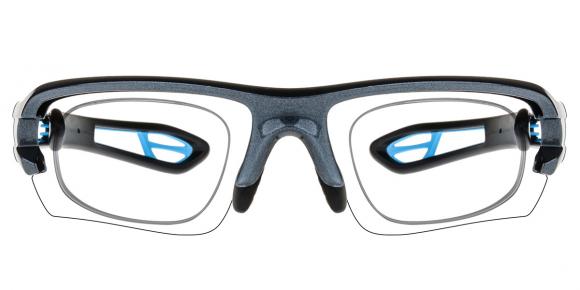
Besides eyeglasses for regular wear, there are still various types of specialty eyewear or “task-specific” eyeglasses. Since one pair of eyeglasses does not fit all sizes in most cases, those specialty eyeglasses such as computer glasses, driving eyeglasses and protective glasses are helpful in specific circumstances.
More...