

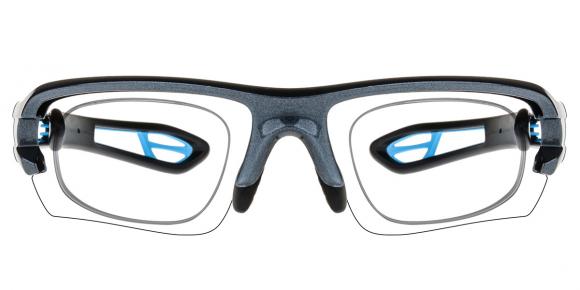
Photochromic and tinted lenses
Article Tags: photochromic lenses, tinted lenses
Unlike regular sunglass lenses, photochromic lenses can change its color in response to lighting condition changes in the surrounding environment. More exactly, these lenses will darken on exposure to UV light and become clear while staying indoors. This mechanism allows more flexible vision correction and UV protection, and brings extra convenience to users. Currently, photochromic lenses are available in materials including glass, regular plastic, polycarbonate and high-index. Another popular way to achieve UV protection is to apply a lens tint. Yellow, orange, amber, gray and red are some widely used one. Applied to sports sunglasses, these tints have different optical benefits and can enhance the wearer’s performance.
Brands of photochromic lenses
PhotoGray and PhotoBrown lenses are equipped with silver halide throughout the lens, so that the whole lens will darken when exposed to sunlight. It is exciting that the strongest, thickest part of the lens will be darker than the thinner part. And the higher the prescription, the darker the lens will be. The Corning Medical Optics also provides photochromic lens brands such as Thin & Dark and SunSensors. SunSensors lenses are made to change within 60 seconds to a uniform color density throughout the lenses.
Rodenstock’s ColorMatic Extra uses a mixed photochromic dye and offers several tints. Another mid-index plastic photochromic lenses is Sungray lenses from Hoya Lens. KB Co. manufactures Transhades photochromic lenses in glass and plastic, and in gray and brown. These photochromic lenses are also polarized to reduce glare.
Transitions lenses
Transitions lenses are another major player in the photochromic lenses realm. They are applied with advanced variable-tint technology so that they will darken rapidly outdoors. Materials of Transitions lenses include regular plastic, high-index plastic and polycarbonate. Transitions Optical is the most influential member and many people suppose that Transition lenses are equal to photochromic lenses. But with the above discussion, Transitions is only one of the photochromic lens brands. Until now, Transitions lenses have been available in gray and brown shades.
Regular photochromic lenses do not darken behind the windshield since UV rays are blocked out. All of the products of photochromic lenses stated before will only adjust their darkness according to the changes in UV light. This makes these lenses incompetent to offer help when the wearer is driving in sunlight. Transitions Optical is the pioneer in this field that it has introduced photochromic sunglasses which eliminate this concern completely. Transitions XTRActive lenses and Drivewear lenses are two exact products developed by Transitions and its partner Younger Optics.
Other photochromic applications
Photochromic lenses also have medical applications. People with various ocular pathologies can get visual improvement from Corning’s CPF family, which consists of glass photosensitive lenses. Corning’s GlareCutter can also benefit patients with slight or moderate light sensitivity.
Tinted lenses
While photochromic lenses are specially colored lenses, tinted lenses are permanently colored lenses, which mean that the lenses will never change their tints. Both plastic and glass lenses can be treated with various colors of the rainbow. Plastic lenses acquire tints through a warm color bath, during which the lenses achieve different shades of darkness according to the bath time.
While fashion tints for cosmetic are usually light pink, brown or gray, tints on sunglasses are mostly darker colors such as brown and gray. Tints can either be solid or gradient. Some unusual tints are also used. Yellow tints can block out blue light, which is helpful for target shooters. Green is sometimes used in sunglasses, as an alternative to common tints such as gray and brown. Red tints flatter some people with special tastes.
Ralated Q&A
- Which one is better in UV protection, Photochromic lenses or Polarized lens?
- Is there anydifferent between photochromic lenses and color-tinted eyeglasses lenses?
- Can I change regular lenses to photochromic after they are made?
- What are photochromic lenses made of?
- Can I make the tinted lenses lighter without replacing the lens?
- Do photochromic lenses work on plastic frames?